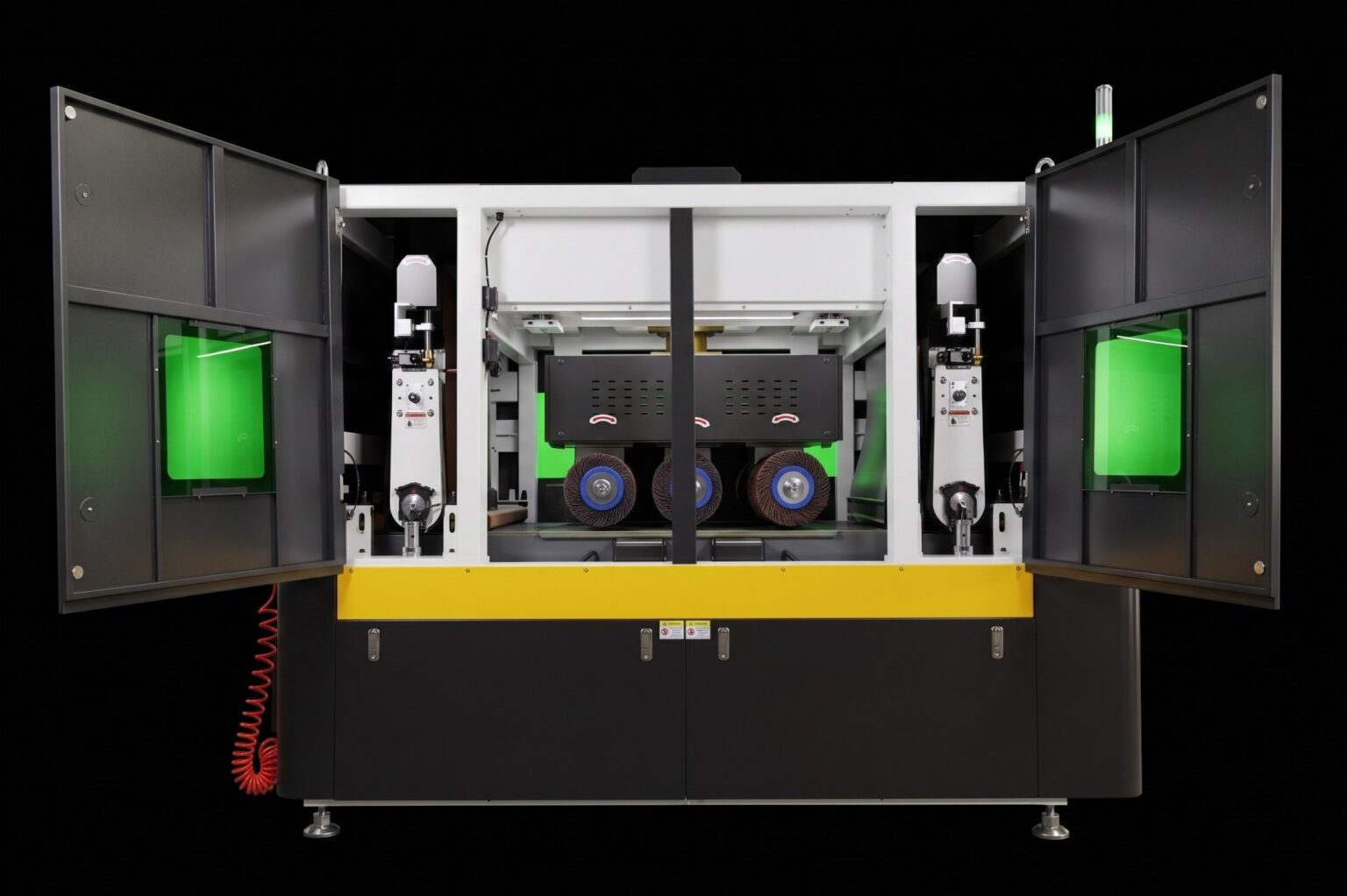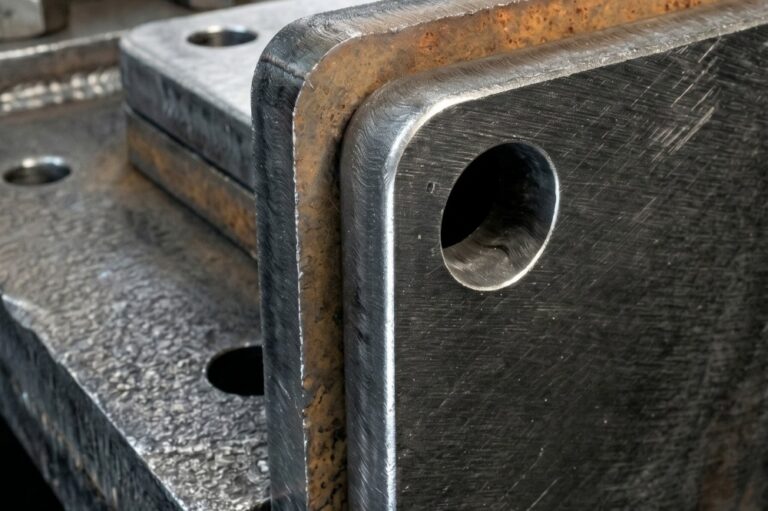
Initiating the detailed evaluation pertaining to computerized machines produced specialized in edge cleaning represent modernized production activities, ensuring prominent enhancements within rapidity and finish. This document studies the various types of appliances, featuring scouring polishing machines, linear mechanisms, and leading digital tools. We will address the positives of using such devices, for instance lessened employment costs, augmented production steadiness, and enhanced throughput levels.
Outline Chamfering Devices: Precision Completing Outlined
Edge beveling tools offer a sophisticated solution for obtaining spot-on finishing on components. Contrary to manual styles, these robotic apparatuses yield consistent performance and markedly strengthen production effectiveness. Those units usually implement different grinding appliances like whirling wheels, glossing rotors, or bespoke shapes to reduce sharp tips and spurs. These kinds of technique is crucial in a broad variety of applications, comprising aviation and digital.- Refine covering caliber
- Lessen workshop costs
- Increase throughput and efficiency
Residuum Disposal Apparatuses: Realizing Pristine, Excellent Finishes
Modern smelting practices steadily manufacture significant amounts of waste, a byproduct that, if neglected, can severely damage the quality of the production. Fortunately, advanced byproduct management systems offer a proven solution. These purpose-built machines, employing techniques like abrasion, are designed to completely eliminate this unwanted material, ensuring a unblemished and exceptional surface. The resulting gains include lower rejection rates, strengthened aesthetic appeal, and an overall surge in manufacturing speed. By utilizing modern slag removal technology, manufacturers can consistently deliver top-tier surfaces and conform to stringent benchmarks.
Metal Panel Treatment: The Benefits of Deburring Equipment
Accomplishing a excellent surface on sheet metal segments is imperative for functionality, and deburring mechanisms present significant gains over traditional methods. Getting rid of burrs promptly not only upgrades the visual quality of the entity, but also minimizes expected failures during assembly and deployment. Moreover, digital deburring methods augment manufacturing tempos and lower manpower expenses.
Refining Sheet Metal Production with Automatic Deburring
For amplify efficiency in sheet metal assembly, utilize automated deburring equipment. Time-honored deburring is habitually time-consuming and inclined to aberrations. Implementing intelligent deburring offers major profits, including decreased employee charges, better item consistency, and amplified production rates. These commitments could substantially repay themselves.Electing the Ideal Deburring Apparatus for Your Assignment
Recognizing the best deburring equipment for your distinct needs demands a exhaustive assessment of several elements. At the outset, analyze the form of input you're processing – steel requires distinctive techniques than resin. Thereafter, reflect upon the size and shape of the pieces needing burr removal. Concluding, reflect on your workload scale; a bulk operation asks for a custom type of mechanism than a restricted one. Skipping to account for these aspects may result in inefficient results and increased costs.
Edge Unit Process: Progressions and Enhancements
Contemporary burr elimination apparatus procedure is undergoing rapid development, prompted by the demands for higher accuracy and productivity in production processes. Central progressions contain the embedding of intelligent platforms for adaptable deburring workflows, alongside refinements in polishing procedure. We're furthermore perceiving a escalation in lightweight surface smoothing systems optimized for exclusive functions, and new processes like thermal finishing are receiving support. The trend indicates towards strengthened association of surface refining machines within the automated plant locale.
Advancing Alloy Module Integrity with Edge Trimming
Many production processes for aluminum parts introduce sharp edges, which can lead to stress concentrations and deficiencies that degrade overall integrity. Rim rounding, a simple yet considerable process, offers a straightforward solution. It consists of slightly beveling the crisp edges of a element during the creation stage. This lowers stress regions, boosts longevity lifespan, and can control chipping. Benefits are further amplified when dealing with complicated geometries or parts subjected to strong burden. Considerations include the correct curvature of the shape and its bearing on assembly with other elements.
- Declines Stress Points
- Strengthens Resistance Performance
- Blocks Damaging
Dross Disposal vs. Edge : Comprehending the Contrasts
As many engineers use the labels “slag elimination” and “deburring” without distinction, they Brushing Solutions stand for distinct actions in metal manufacturing techniques. Deburring focuses on removing the sharp, often tiny, spurs created during working operations—these are excess debris of metal left on the piece. Residue excision, conversely, addresses these byproduct – typically a combination of slag – that materializes during processes like joining. Essentially, deburring deals with unwanted perimeters, while slag clearing deals with this leftover of a distinct method. Ultimately, self-operating deburring and byproduct removal mechanisms are essential components of modern metal fabrication that guarantee premium finished products with reduced defects and improved efficiency.Wrapping up the examination reiterates the key role of cutting-edge automated deburring technologies in transforming fabrication norms and supporting businesses accomplish enhanced productivity and performance.