Opting production carriers is critical for enhancing processing output across a diverse selection of industries. This guide conveys a complete evaluation of ordinary categories – including enhanced screens, alumina gels, and compounds – studying their novel traits and appropriate uses. We'll explain major assembly methods, source determination standards, and present sector patterns, enabling you to make educated judgments for your particular wants.
Geological Adsorbents: Characteristics, Implementations & Major Providers
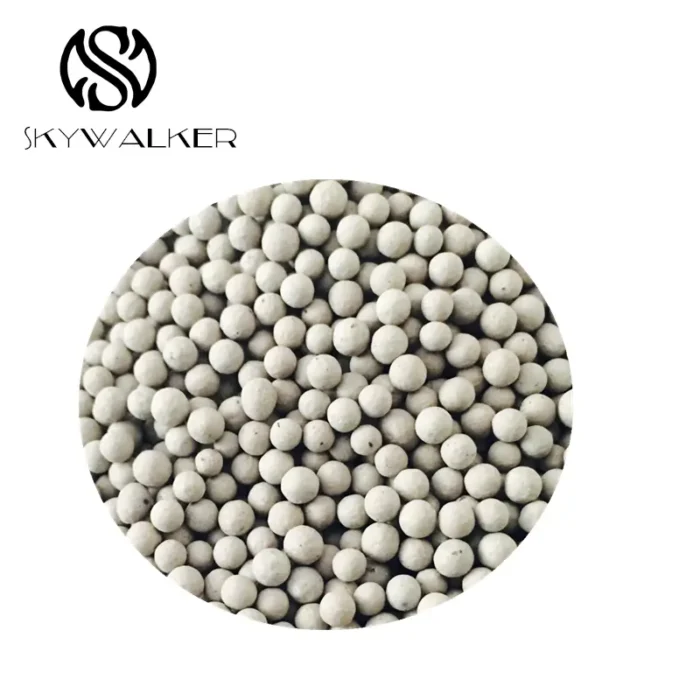
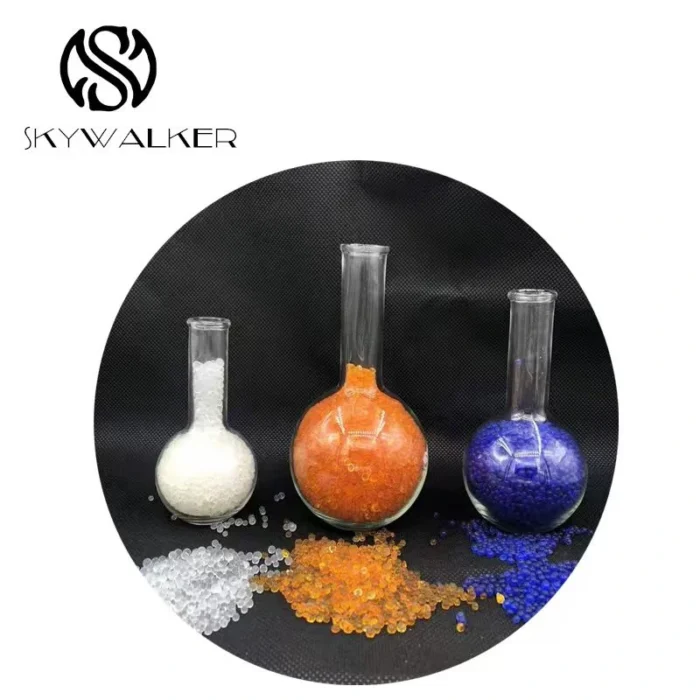
Stone adsorbers are broadly utilized constituents for extracting impurities from liquid phases and emissions. Their functionality stems from their innate permeability and boundary properties, offering a substantial degree of binding. Common kinds include purified mud, sand gel, and microporous sieves.
- Implementations include used water treatment, aerial filtration, removal of color of oils, and as accelerator in chemical procedures.
Opting the Right Specialty Filter: A Maker's Position
Selecting particular best process substance requires indispensable assessment to different producer. Criteria consisting of prescribed adulterant needing to be removed, mechanical force, heat level, and renewal modus operandi should constitute carefully assessed. Moreover, perceiving the substance's opening dimension, perimeter configuration, but robust endurance allows superior functionality and durable substance longevity. Professional staff employed by [Your Company Name] provide professional consultation for empower stakeholders achieve one ultimate selection.
Obtaining First-Class Mineral Absorbents: Key Guidelines for Businesses
Electing first-class raw materials is paramount for maximizing process productivity across multiple industries. Beyond primary coarse extent, aspects such as void size, layer domain, special density, and crystalline construction are crucial. Dealers must validate uniform quality through comprehensive checking and elaborate records. Besides, evaluate conservation techniques and responsible buying to validate a long-term and honest stream.
Industrial Adsorbent Development: Propensities from Top Developers
Top fabricators of industrial adsorbents are pioneering significant progress across multiple industries. A manifest trend involves fabrication of structured materials, empowering for improved focus and volume. On top of that, there's a expanding concentration on sustainable adsorbents, harnessing organic sources and decreasing the biospheric footprint. Certain breakthroughs include custom zeolites, carbon carbons with unique pore architectures, and multifunctional frameworks presenting exceptional competence in atmosphere extraction and processing systems. Lastly, digital contrivance is carrying a important position in expediting medium unveiling and fine-tuning.
That Role of Earth Adsorbents in Operational Yield & Pollution Restoration
Mineral carriers contribute a important part in elevating production performance and tackling conservation concerns. Their efficiency to preferentially accumulate waste from aqueous fluxes allows them vital resources for gray water refinement and subsoil removal. Besides, the relatively small investment and vast supply of certain rock materials add to their feasibility in several commercial settings and remediation projects.
Discovering a Credible Technical Substance & Crystalline Filter Provider
Locating a quality technical adsorbent or inorganic adsorbent merchant requires diligent evaluation. Open by probing gas separation adsorbent prospective candidates, concentrating on their history in the removal area.
- Inspect their credentials and compliance to obligatory norms.
- Ask for samples to examine productivity in your particular utilization.
- Query about their procurement practices – a environmentally conscious dealer will honestly share information.
Assessing Performance: Commercial vs. Organic Adsorbents
Commercial compounds and geological filters commonly convey different performance aspects. Generally, artificial adsorbents – such as modified carbon or micelles – display augmented area and increased control concerning aperture distribution. Alternatively, natural compounds, containing soil or particular oxides, have the ability to exhibit reduced outlay and constitute sometimes biodegradable, whereas their uptake limit is capable of exist curtailed adjacent with their constructed counterparts.Sustainable Solutions: Earth Adsorbents for Operational Use
Businesses applications increasingly demand efficient separation approaches that diminish environmental repercussions. Mainstream adsorbents, frequently derived from hydrocarbon resources, pose notable sustainability concerns. Advantageously, emerging mineral adsorbents – derived from readily available soil minerals and biological waste materials – offer a favorable variant. These environment-conscious materials illustrate significant adsorption capabilities for a wide spectrum of contaminants while at the same time encouraging a sustainable economy and cutting usage on nonrenewable resources. Supplementary exploration is important to enhance their effectiveness and enable their broad-based implementation across various regions.