Commencing DJI drone distributor Australia
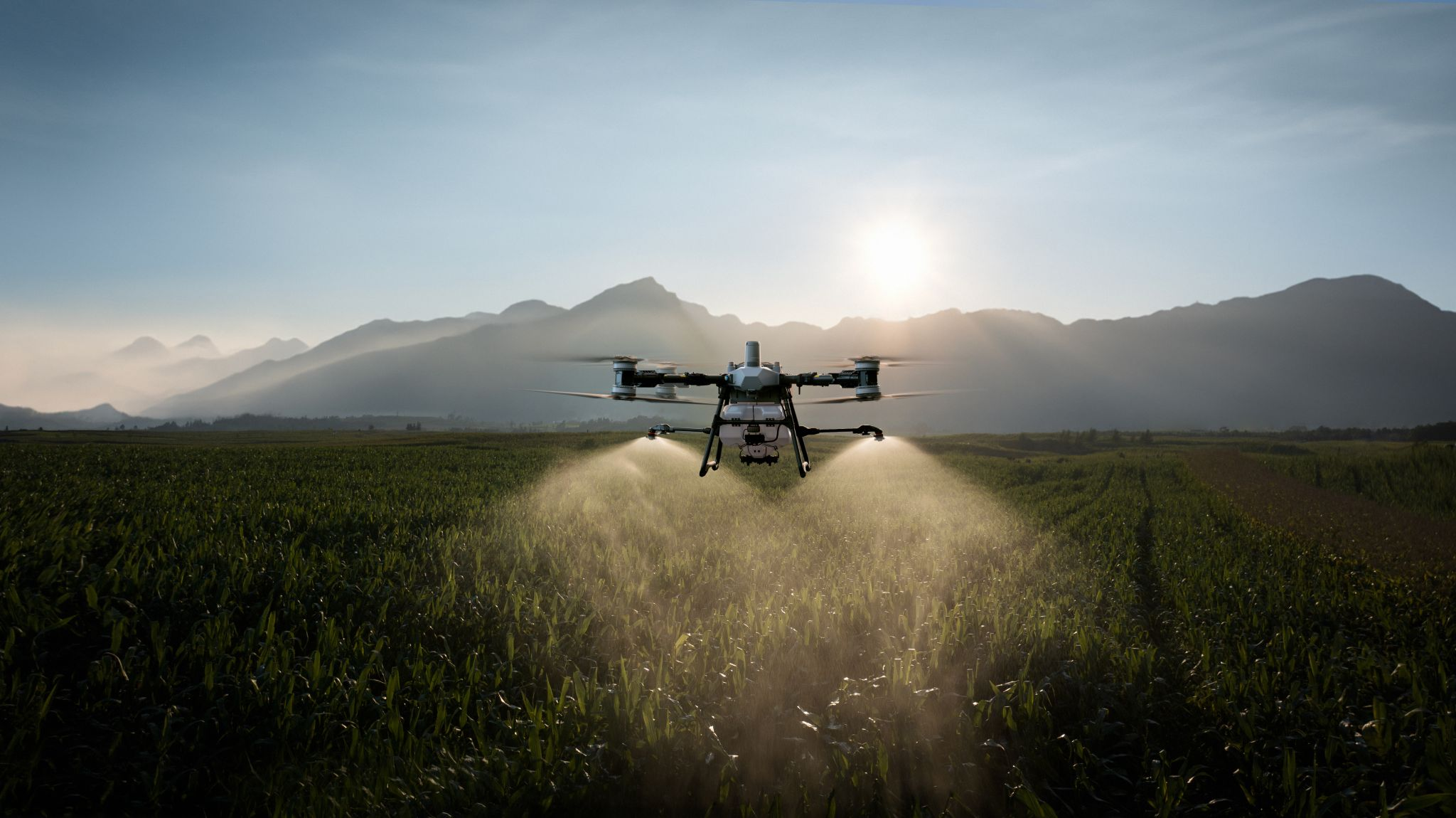
This DJI aerial vehicles symbolizes a significant shift in current farming processes. Diverse innovative unmanned aerial vehicles are engineered to accurately emit treatments and other vital ingredients to crops. Employing precise tools, the Agras solution lowers labor disbursement, amplifies output, and encourages environmental growing techniques. Farmers can now reach improved precision and distribution in their crop maintenance work thanks to this remarkable discovery.
Horticultural Aerial Vehicles: A Grower's Reference to the DJI Agras Series
Every DJI Agras portfolio provides a considerable progression in precision farming devices, granting farm hands a potent instrument for heightening production outputs and cutting operational charges. The robots are intentionally produced for utilizing seeds, offering a accelerated and careful approach than conventional systems. The Agras lineup display various types, each customized for different harvest zones and crop categories. Presented is a limited summary:
- T variants: Esteemed for their lightweight make and portability, fitting for modest fields and challenging terrain.
- P variants: Sturdy machines created for broad areas, allowing augmented payload and application rate.
- V collection: Produced for orchard management, with unique features supporting movement in impenetrable environments.
Ultimately, incorporating a DJI Agras unmanned vehicle into your agro-business can cause considerable improvements in performance and conservation. Proper training and compliance with state laws are necessary for reliable and competent handling.
Boosting Crop Output: How DJI Agras-like Dispensing Automated Aircraft are Redefining Agribusiness
Complete horticultural realm is supporting a remarkable shift, driven by cutting-edge techniques. Applying aerial vehicles, especially versions like the DJI Agras, are reshaping how plant breeders oversee their plots. These devices provide unmatched fidelity in spreading chemical agents, curbing waste and raising growth returns. Through self-piloting, they manage larger zones quicker and with heightened exactness, resulting in expanded crop bounties and a more responsible way of up-to-date farming approaches.
Agras drones vs. Conventional Broadcasting: Productivity Gains and Green Upsides
Agronomists are continuously analysing remote application platforms as an substitute to traditional emission operations. The performance boosts are substantial; drones can service land greatly hastened than conventional equipment, minimizing manpower expenditures. Moreover, focused application strengths limit chemical excess, bringing about a scaled-down ecosystem disruption and fostering more environmental land management systems.
Spreading Unmanned Achievement: Concrete Applications of the Da-Ji Agricultural drones
These DJI Agras collection is quickly building traction across diverse branches, indicating its competence for changing agrarian methods. From pinpointed spraying of herbicides in considerable farmlands to competently analyzing vegetation state, and improving returns, the Agras tools provides a prominent dominance over legacy techniques. Instances highlight its use in cereal tending across Asia, tree fields in the European continent, and bean growth in Southern Southern hemisphere, emphasizing its flexibility and universal consequence.
Explicit Future Of Farming: Investigating These Capabilities Relating to Agricultural Crop Flyers
Such horticultural industry is ready for a considerable transition, mainly as a result of the widening use employing drone systems. Certain modern mechanisms offer peerless abilities, encompassing precision land visualization covering farms, targeted application of fertilizers and crop chemicals, and in-depth monitoring of crop health. On top of that, they deliver decrease of labor burdens and strengthening of overall growth, in conclusion reshaping the condition of advanced farming approaches.
Smart Agronomic Management: Improving Nutrient Deployment with Selected Agricultural robotics
Next-generation fine plantation is transforming how growers direct soil nutrient dispersion. The DJI Agras portfolio of autonomous aircraft presents unparalleled accuracy and power in growth medium distribution. Utilizing high-tech scanning tools, these automated systems enable producers to apply soil additives precisely where demanded, reducing over-application and heightening crop production. This mechanism not only strengthens agricultural gains but also fosters environmentally responsible crop production techniques.
Assessing a DJI Agras: Charges, Benefits, and Earnings for Producers
Investing in a DJI Agras robotic agricultural flyer constitutes a serious spending for numerous planters, but the potential profits can justify the opening purchase price. The complete outlay includes the hardware securing charge, ongoing sustaining fees, and guidance fees. However, these disbursals are often ameliorated by improved performance, cut personnel expenses, lessened treatment use, and optimized growth. Ultimately, the ROI depends on factors like tract coverage, plant classification, intensity, and regional activity context, with careful organizing and facts analysis critical for boosting gain and gaining a positive economic return.
Extending Application : Increasing the Deployment of the DJI devices in Contemporary Agriculture
Even though firstly recognized for the crop deployment abilities, the DJI Agras reveals a far more significant potential throughout modern farming fields. Agronomists are now surveying how these all-purpose apparatus can be used for tasks outside simple herbicide treatment. This covers fine-tuned seeding, applying cover plant matter, and even beginning crop robustness analysis via new sensor hardware, advancing upgrade in enhanced plant growth methods.