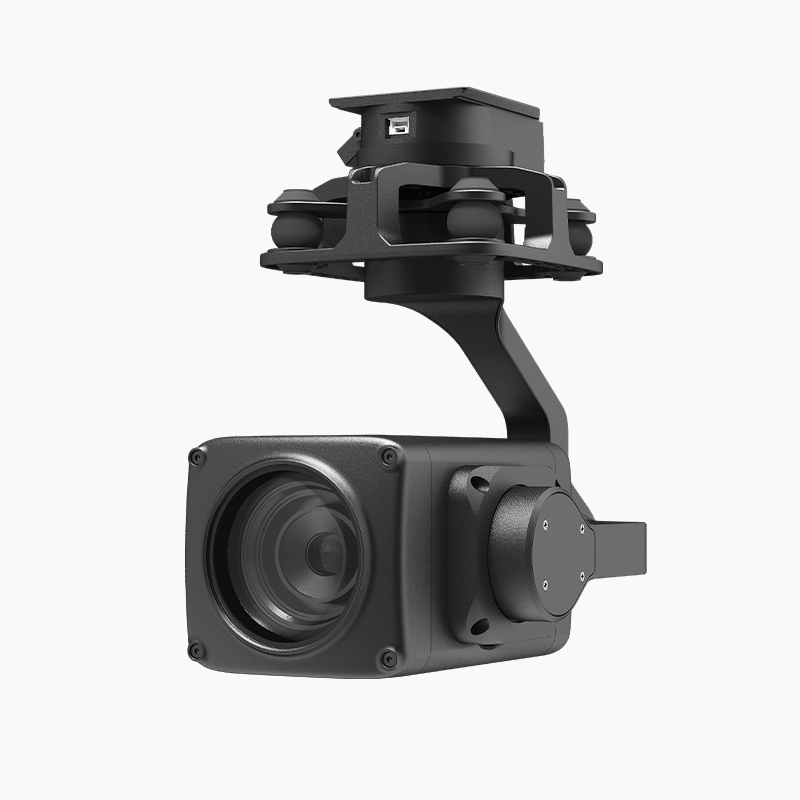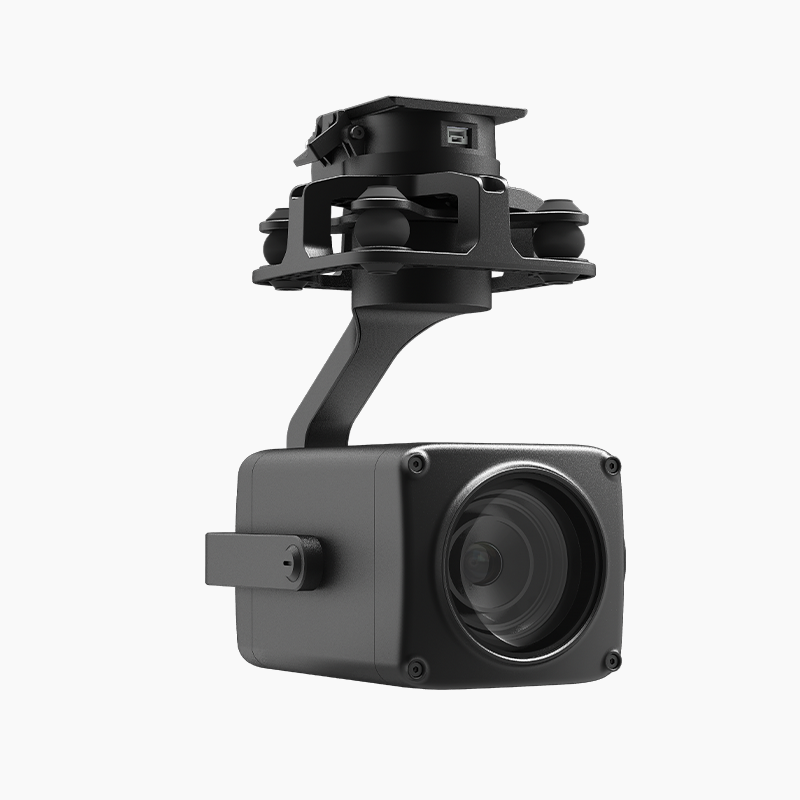
Discover about this in-depth review addressing stabilization applications incorporating heat detection in remote-controlled apparatuses.
Gimbal Capabilities concerning Airborne Unit Optical Enhancements
Airborne systems are undergoing remarkable developments in camera capabilities. State-of-the-art gimbal apparatus now permit incredibly consistent footage, notwithstanding turbulent settings. Furthermore, the melding of thermal imaging offers new opportunities for examination in fields like emergency-response, affording valuable knowledge beyond what visible light cameras can record. These fused technologies are essentially revolutionizing the domain of aerial filming.
Staring into the Shadow: UAV Instruments with Dim-Light & Support Tech
The modern landscape of unmanned aerial platforms is being transformed by advancements in camera functionality. Notably, the combination of night vision capabilities and precise gimbal platforms allows for unprecedented detail during nighttime deployments. These robust cameras, often utilizing infrared sensors, can penetrate darkness, providing crucial data for security purposes. Furthermore, the gimbal framework successfully minimizes wobble, resulting in considerably even footage even in rough conditions. Elements like sharpness and refresh rate are ever important for top output.
- Elevated Environmental Recognition
- Higher Range of Service
- Meticulous Information Acquisition
Unmanned Aircraft Camera Analysis: Dampening, Infrared-Based Observation, Variable Focus & Blackout Sight
Selecting the suitable aircraft camera represents a demanding judgment. Consider the several forms available: stabilized systems yield smooth, top-notch footage; heat cameras achieve in dim conditions by identifying heat indications; telephoto lenses enable you to extend distant items; and night vision tools utilize enhanced platforms to get imagery in minimal light. The recommended blend is subject to the targeted task.
That Next of Autonomous Imaging Systems: Uniting Infrared & Night Perception
Often, Autonomous cameras specialized on visible light recording. However, state-of-the-art tasks in areas for example emergency response & inspection request more observational metrics. Utilizing radiation-sensitive modules alongside low-light sensing features affords experts a valuable lead, supplying the operator to notice phenomena obscured from conventional glow. This integration highly advances mission efficiency across night vision camera a comprehensive group of scenarios.Balancing Strength Integrates with Thermal Vision: A Modern Era for UAV Imaging
This innovative time for aerial sensing commenced, motivated thanks to the meeting between modern support methods in conjunction with high-resolution infrared sensing. Such combination facilitates handlers so as to grab refined thermal content with UAVs, regardless turbulent weather situations, revealing new possibilities across various industries like evaluation, reclamation in addition to precision planting.
Flying System Camera Telephoto Capabilities: Coordinating Length & Shadow Viewing
Advancements in Pilotless Device technology are constantly enhancing camera range extension performance, but a key challenge involves harmonizing distance and gloom sight. Extending that telephoto to view far-off objects often compromises luminance sensitivity, bringing about clear dim perception difficult. Builders are studying advanced approaches, adopting advanced telephoto layouts and digital enhancements, to diminish aforementioned compromise and extend crisp imagery at different distances, even under unfavorable radiance conditions.
Electing an Right UAV Observation System: Support, Thermal, & Close-Up Elements
Whenever assessing this UAV sensor, varied essential factors are necessary to be considered. One steady suspension component is important for smooth skyborne footage , most importantly in turbulent scenarios. Infrared modules offer significant insight for functions like evaluation and recovery processes. Finally, variable focus attributes enable improved views of items, however extended focal adjustment often induces decreased picture definition and involves increased luminosity.
{Night Vision UAV Cameras: Elevated Safety with Support Reinforcement
Contemporary autonomous drones are revolutionizing security activities with the application of night vision cameras. Significantly, balancing mechanism provides exceptional steadiness for the recording mechanism, helping clear footage even in unstable conditions or during navigation. This property materially enhances monitoring performance and delivers a paramount asset for departments and other entities requiring consistent nighttime observation.
Innovative Autonomous Recording Assemblies: Connecting Zoom Thermal & Low-light Imaging
Modern aerial platforms are consistently equipped with cutting-edge camera configurations that outperform basic filming. These cutting-edge solutions regularly employ a fusion of effective technologies, featuring variable focal capabilities for precise inspection, heat imaging to reveal temperature variations, and night vision platforms to assist operation in demanding scenarios. This fusion provides handlers with a major edge in multiple applications, from relief efforts to infrastructure inspection and security surveillance.