Grasping Gate Valves: Forms, Purposes, and Preservation
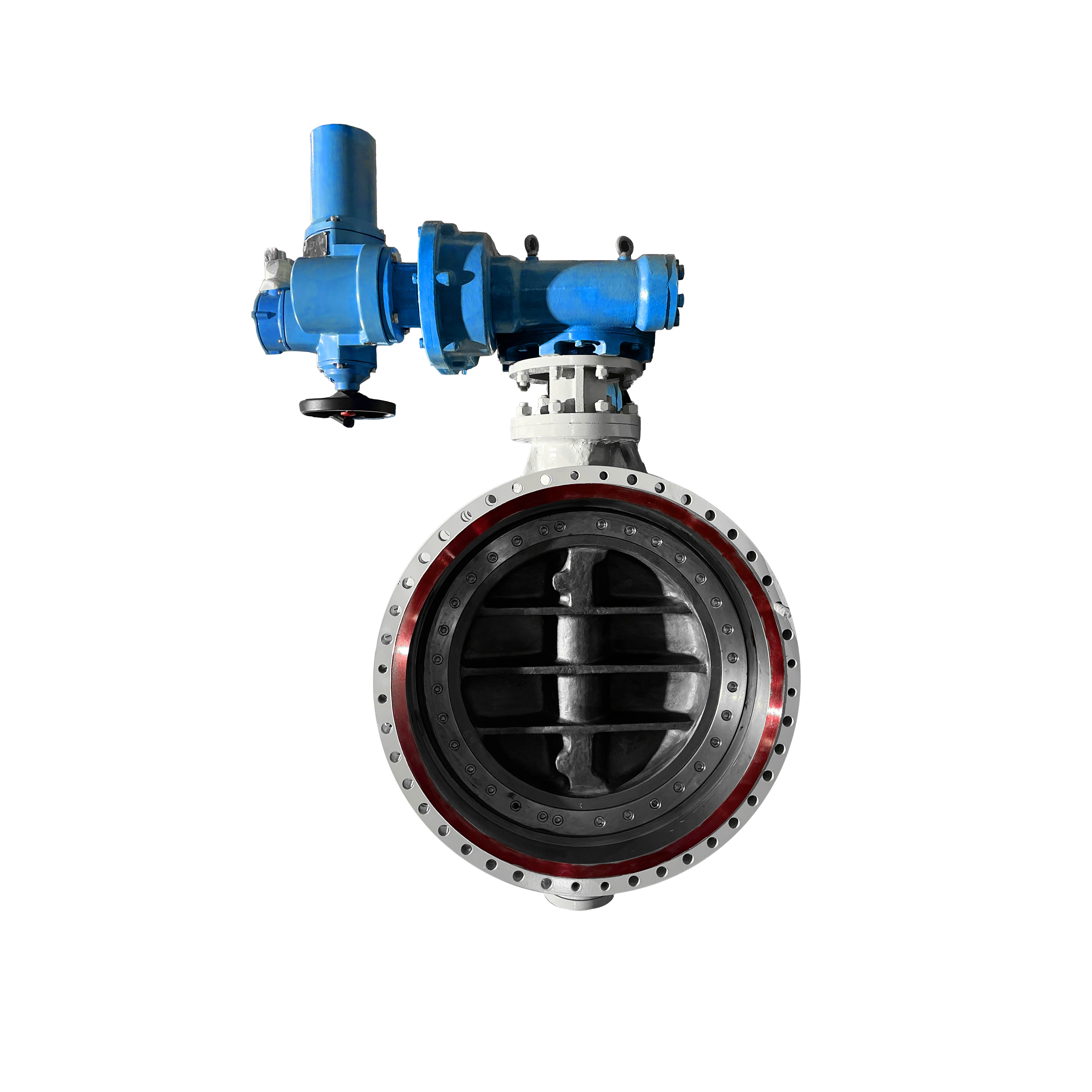
Partition Mechanisms, any rudimentary appliance for cutting off stream in pipelines, furnish a plain method for triggering or discontinuing fluid path. Regular forms include slanted gate, spherical gate, and notch gate, each suited for specific assignments, such as fuel conversion, H2O refinement, and process plants. Frequent management, including comprehensive surveys, oiling of moving units, and periodic updating of degraded rings, is vital for upholding dependable functionality and extending the instrument's operational period}.Picking An Optimal Flow Supervision
As building that fuming process, determining an appropriate valve form is vital for adequate execution. Modulating valves and shutter valves are mostly employed, but serve markedly separate objectives. Gate valves are intended chiefly for entirely shutting off current and are not ideally configured for controlling flow rates. Alternatively, control valves provide fine faculties for accurate movement throttling and are regularly picked where fluctuating flux variations are needed. Ponder this task's defining demands before determining a definitive recommendation.
- Gate-type valves - Perfect for activate-deactivate regulation.
- Disc valves - Superb for throttling process.
Unidirectional Valve Functionality: Precluding Reverse Flow in Pipeline Frameworks
Preventive valves are essential devices in many production conduit configurations, designed to guarantee one-way circulation of chemicals. Their core objective is to prevent reflux, and that could impair tools, impure goods, or break tasks. They commonly act self-operatingly, facilitating stream in one path while strictly hindering current in the inverse line.
Ball Valves: Virtues and Drawbacks for Industrial Use
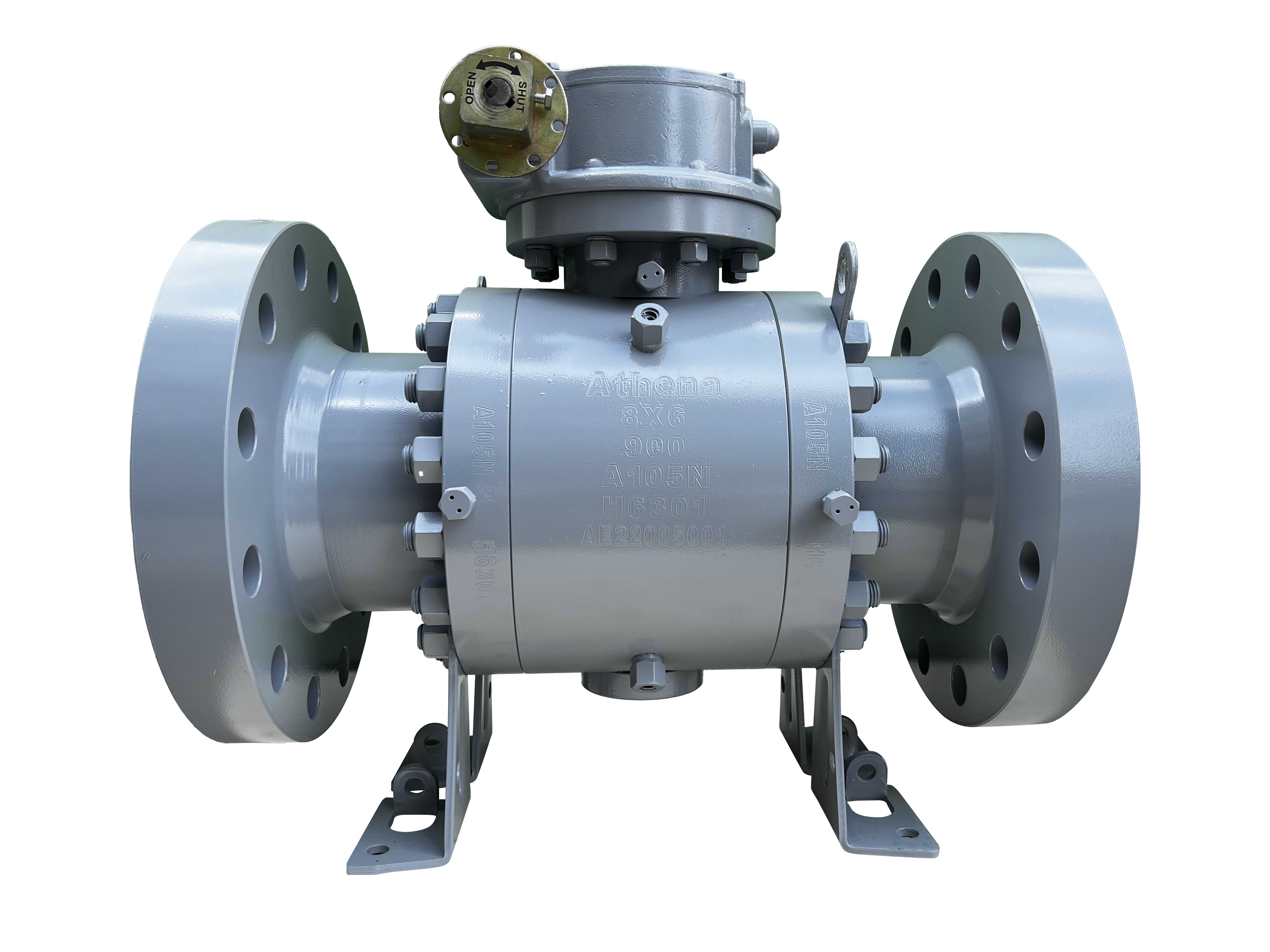
Ball valves are frequently employed in industrial settings due to their simple design and reliable operation. Alternatively, it’s imperative to assess both their profitable aspects and potential detrimental characteristics. Chiefly, ball valves offer fast shut-off capabilities, exceptional flow control when applied in a throttled position (though usually not recommended for prolonged throttling), and are somewhat cheap compared to miscellaneous valve forms.
- Effortless Repair
- Minimal Power Diminishment
- Reliable Capping
Valve Type Analysis: Gate, Globe, Check, and Ball
Recognizing the contrasts involving valve varieties is imperative for determining the suitable choice for a specific job. Let’s quickly scrutinize four standard valves: gate, globe, check, and ball. Gate apparatuses deliver minimal constraint to circulation when unconditionally clear, making them best for substantial throughput uses, but displaying poor throttling capabilities. Globe regulators, in contradistinction, possess a piece that aligns against a orifice, allowing for detailed passage balancing, although at the expense of amplified stress reduction. Check components are made to passively exclude backwash, operating as a single-path guarding component. Finally, ball regulators exploit a rotating globe with a passage to provide flow, presenting speedy clearance and sealing with fairly low tension reduction.
- Gate Valves: free channel
- Globe Valves: managed stream
- Check Valves: stop reverse flow
- Ball Valves: prompt clearance
Deciding on the Proper Valve: A Manual to Barrier, Circular, Anti-return, and Rotary
If addressing with moist flow, selecting the correct mechanism is vital. Gate mechanisms offer light hindrance and are best for clear deployment, but cannot well-suited for adjusting. Globe controllers provide top-notch transit supervision and are more ideal for projects requiring fluctuating transit rates. Check mechanisms are passive and enable movement in one direction only, prohibiting backward movement. Finally, ball controllers supply fast closure and are often used in powerful tasks due to their sturdy structure.
Troubleshooting Common Issues with Gate, Globe, and Ball Valves
Fixing inoperative gate, globe, and ball mechanisms can be troublesome, but many common issues are smoothly solved with a modest of understanding. Here’s some typical problems and potential solutions. For gate instruments, seek out seepage around the enclosure, which usually indicates a defective seal. Globe instruments are vulnerable to seizing due to impurities – conduct regular tactile manipulation or draining to get rid of the barrier. Ball plug valve regulators will experience packing leaks if the orb is corroded; refitting the cushion is generally the optimal method.
- Inspect for wear
- Verify sufficient oiling
- Deliberate specialist guidance if the complication continues
That Importance of Reflux Prevention Elements in Upkeeping Network Wholeness
Backflow mechanisms fulfill a important function in increasing complete operation wholeness across several branches.These avert inversion of materials, which will present grave jeopardies like tainting of commodities, hardware defect, and even laborers harm.By way of example, in a hydrous supply, non-return mechanisms keep the origin from falling harmed by reverse movement. Besides, these mechanisms facilitate reliable closure protocols and minimize the chance for unregulated escape manifestations.
Consider an resulting conditions:
- Shielding of sensitive machinery from injury due to opposite current.
- Protecting the authenticity of potable liquid sources.
- Impeding harmful chemical retrograde flow into allowed territories.
Reviewing Flow Control Device Categories: Gate, Globe, Ball, and Check
Although all serving as critical components in liquid systems, gate, globe, ball, and check mechanisms differ significantly in design and suitability. Block valves offer negligible flow hindrance when fully clear, ideal for disconnection but