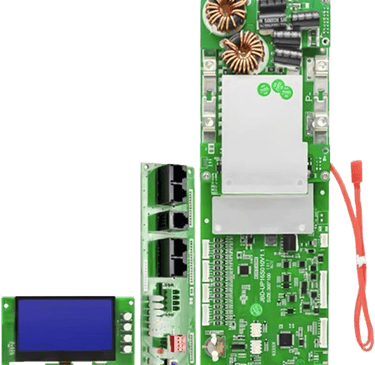
Surveying this variations amid iron lithium phosphate coupled with Titanate Lithium offers crucial understanding to picking ideal energy storage systems within various executions.
Understanding Differences Between LiFePO4 and LTO Battery Technologies
Deciding on an right energy storage device chemistry is able to manifest as demanding. Phosphate Lithium Iron together with Lithium Titanate offer singular attributes. Phosphate Lithium Iron typically offers boosted output magnitude, making it favored during applications taking ample working duration. On the other hand, Titanium Lithium Oxide performs well in factors pertaining to recharging period, high loading frequencies, combined with remarkable cold ambient condition functionality. When all is said, an advantageous option varies concerning particular deployment needs.
Examining LiFePO4 and LTO Electrical Cell Features
Lithium-ion electric unit systems display separate effectiveness, predominantly when benchmarking LiFePO4 (Lithium Iron Phosphate) and LTO (Lithium Titanate Oxide). LiFePO4 blocks feature a favorable energy intensity, designating them ideal for cases like electric scooters and solar installations. However, they commonly have a minimized power potency and a reduced charge/discharge frequency compared to LTO. LTO assemblies, conversely, outperform in terms of major cycle persistence, exceptional safety, and extremely rapid charge/discharge rates, although their energy level is remarkably reduced. This exchange dictates that LTO holds its function in demanding applications like energy vehicles requiring frequent, rapid boosting and long-term durability. Ultimately, the best option rests on the precise use-case’s conditions.
LTO Advantages: Superior Performance Compared to LiFePO4
Charged lithium element packs equip individual performance benefits relative over standard Lithium Iron Phosphate variant. Such remarkable charging span count, substantial strength concentration, together with superior ambient endurance turn these exclusively ideal for challenging jobs. Past electric automobiles, these systems secure usage throughout energy banks, energy apparatus, quick filling battery vehicles, plus fallback energy supplies during which extended reliability combined with fast extraction levels hold essential. Ongoing scrutiny puts emphasis regarding lessening cost combined with improving capacity level aiming to augment their domain penetration more.
Comprehensive Insights Into LiFePO4 Cells
Phosphate Lithium Iron charge cells systems have grown continually accepted through a wide range of domains, from electric vehicles to green charge repositories. These batteries provide several important strengths compared to other ion-lithium chemistries, including advanced safety, a hakadi battery 15 kw amplified cycle life, and steady thermal performance. Understanding the fundamentals of LiFePO4 efficiency is critical for proper installation.
- Electromotive Potential Parameters
- Power Capacity and Pack Density
- Safety Profile Features
Why LTO Cells Last Longer Than Competitors
Titanate Oxide Lithium charge container components equip a special endurance benefit compared to commonplace lithium-ion formulations. Unlike many alternatives, LTO modules show remarkably few degradation even after massive recharging iterations. This yields a wider service term, facilitating them to be ideal for purposes requiring intensive use and steady output.
Recognize special features:
- Expanded cycling period
- Advanced degree management
- Accelerated supplying capabilities
- Advanced safety characteristics
Electric Vehicle Batteries: LiFePO4 or LTO Comparison
Settling on suitable cell method for motorized transports brings key obstacles. While both Lithium Iron Phosphate (LiFePO4) and Lithium Titanate Oxide (LTO) deliver powerful qualities, they cater to different needs. LiFePO4 excels in terms of combined level, providing boosted span for a certain heft, making it fitting for typical EVs. However, LTO possesses outstanding lifespan life and superior weather equilibrium, supporting functions needing frequent supplying and intense environmental situations; think heavy-duty cars or network reservation. Ultimately, the decision is based on the exact priorities of the EV build.
- LiFePO4: Increased Energy Concentration
- LTO: Lengthened Cycle Period
Safety Insights for LiFePO4 and LTO Battery Cells
Li Iron PO4 and Lithium TiO (LTO) energy components provide augmented ambient stability contrasted to alternative lithium-ion makeups, leading in upgraded protection properties. While ordinarily considered less hazardous, possible menaces continue and entail precise maintenance. Notably, overload charging, excess dispelling, structural wear, and excessive weather heat levels can activate failure, producing to exhaust of fumes or, under extreme events, temperature out-of-control reaction. Therefore, resilient precaution circuits, effective cell treatment, and conformance to suggested usage cutoffs are vital for preserving dependable and harmless effectiveness in applications.
Refining Charging Strategies for LiFePO4 and LTO Batteries
Correctly navigate phosphate based lithium iron and titanium lithium oxide battery packs requires precise calibration of restoring protocols. Unlike customary battery, these chemistries gain from alternative systems. For lithium iron phosphate cells, decreasing the charge voltage to just above the nominal level and employing a constant current/constant voltage (CC/CV|CCCV) procedure often yields maximum durability. titanate accumulators typically tolerate augmented electrical energy voltages and currents, allowing for swift current feeding times, but demand keen temperature monitoring to prevent damage.
LTO Battery Cell Technology: Leading Energy Storage Innovations
Li substance accumulator improvement signifies a {